Your property viewing checklist
A useful viewing starts before the front door. Follow the route you would take every day, then check how the rooms, services and costs fit your brief.
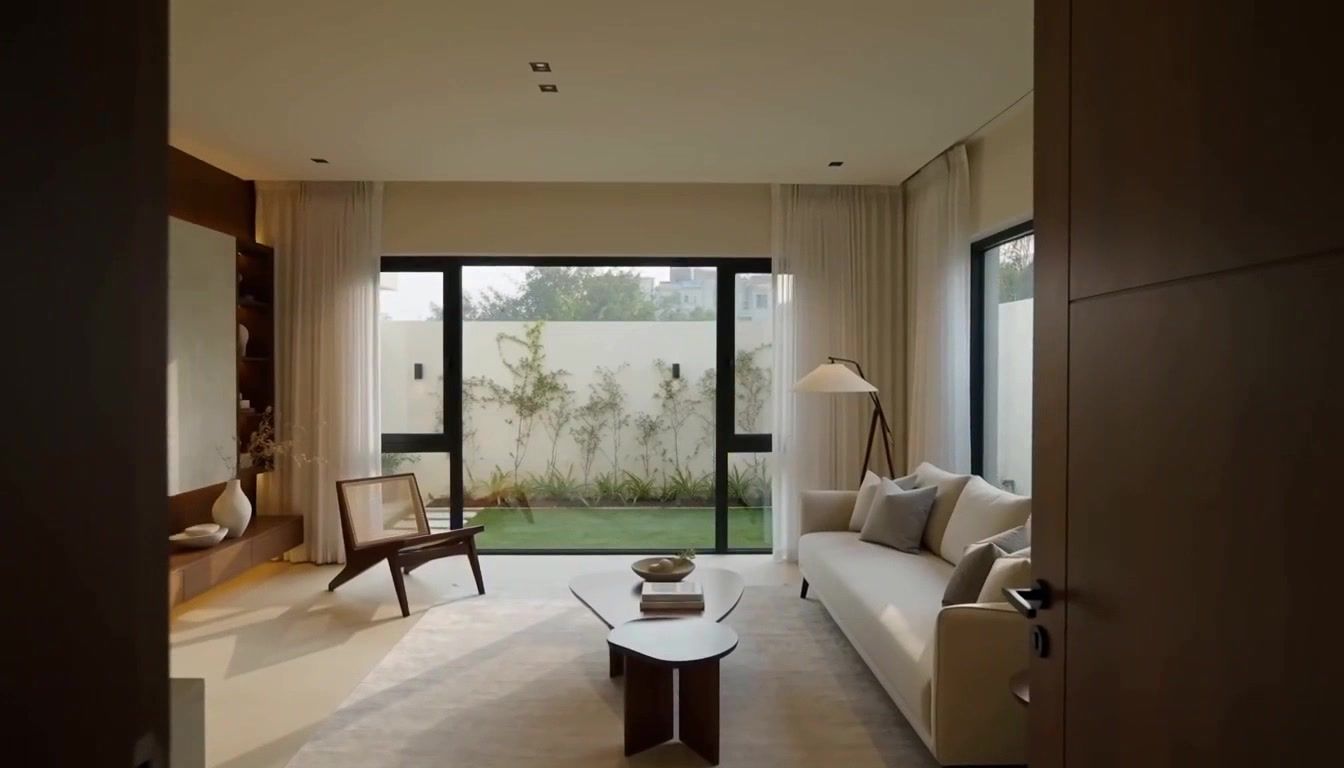
Start at the approach
Arrive using your normal mode of transport. Check the turn from the main road, the final approach, parking and the walk to the entrance. Note steps, shared passages and whether deliveries can reach the property. Repeat the route at your likely commuting time if it is a serious contender.
Walk through your daily routine
Look at the position of the kitchen, bathrooms, storage and work space. Open doors and windows with permission. Bring a tape measure for the furniture that must fit; a room count alone will not tell you whether the layout works. Record usable dimensions instead of relying on a wide-angle photograph.
Pay attention to light and condition
Notice which rooms need artificial light during the visit, how air moves and whether road noise changes with the windows open. Record visible staining, cracks or damp without diagnosing them yourself. If the property makes your final shortlist, ask a qualified building professional to inspect anything you do not understand.
Ask about the everyday costs
Request a written breakdown of maintenance, water, power arrangements, parking and any shared facilities. For a rental, separate monthly rent from the deposit and other upfront charges. For a purchase, ask what the asking amount includes and which costs will need a separate estimate.
Leave with a record
Photograph only with permission. Write down the property ID, the date, who attended and the unanswered questions. Compare those notes with your original brief before arranging a second visit. A viewing is useful evidence about the physical experience; it does not replace document or technical review.